CRANET
An International Research Network in Human Resource Management
CRANET (Cranfield Network on International Human Resource Management) is an international research network in the field of human resource management (HRM). The project brings together universities from 50 countries and, for several decades, has connected academics and higher education institutions in comparative research on HRM practices.
The aim of the project is to collect comparable data on human resource management across different countries, providing a robust basis for international comparison, knowledge development and further research. Through coordinated data collection, CRANET has developed a comprehensive database that supports both academic research and practical applications.
The project is therefore of considerable value to anyone seeking a deeper understanding of the current state and development of HRM in an international context.
A key objective is to maintain and develop knowledge of human resource management both within individual countries and internationally. The research examines practices relating to recruitment, employee development, performance appraisal, pay and benefits, and employee relations, as well as analysing the maturity and development of HRM practices. It also addresses emerging areas such as automation, artificial intelligence, and initiatives relating to employee health and wellbeing.
Further information about the international project and its partners is available on the CRANET website.
Iceland’s Participation
Iceland has participated in CRANET since 2003. Its participation has ensured the regular collection of data in Iceland and contributed to the development of a database that makes it possible to monitor short- and long-term trends in human resource management.
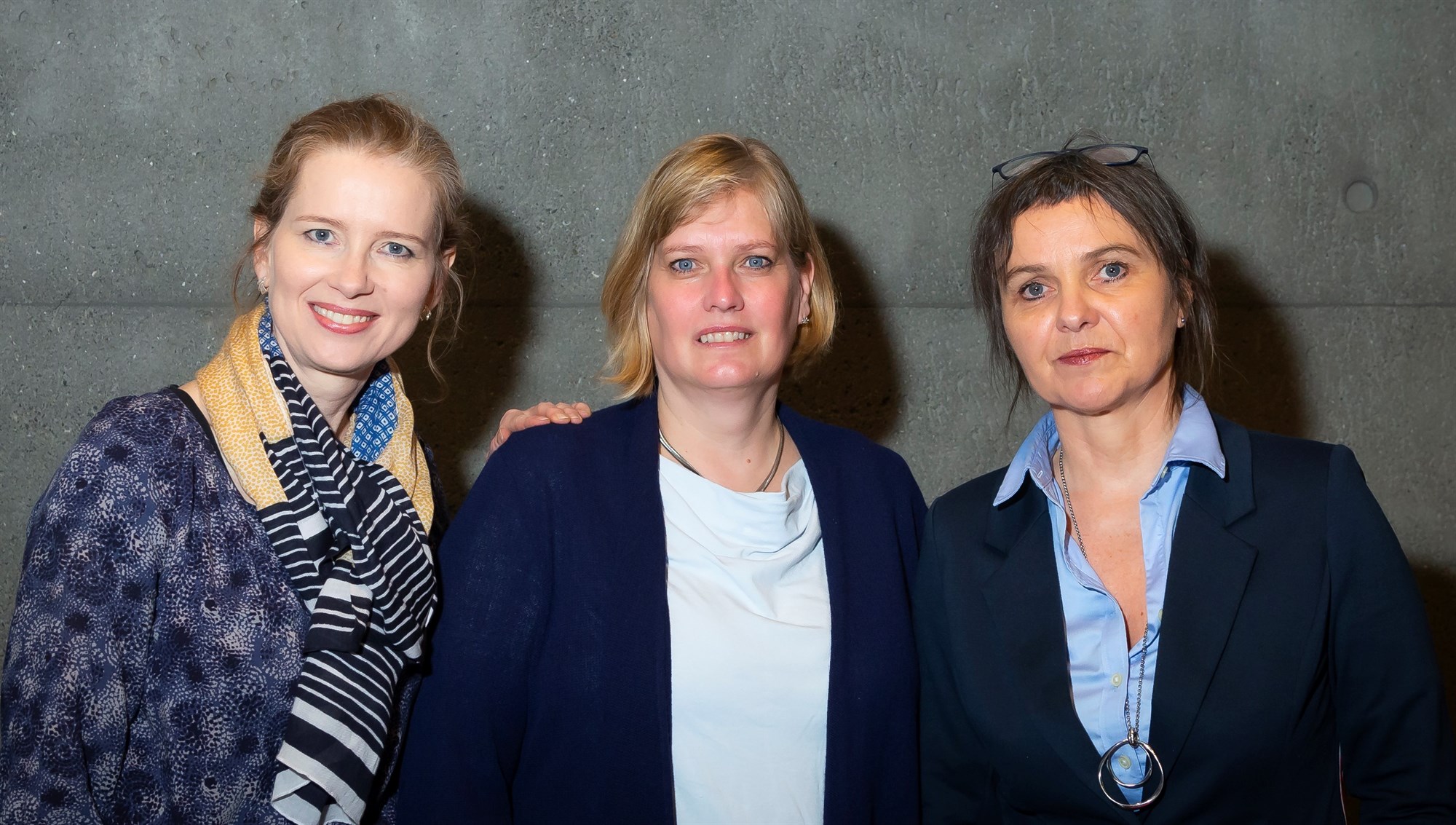
Dr Arney Einarsdóttir, Associate Professor in the Department of Business at Bifröst University and Academic Lead for the Master’s specialisation in Human Resource Management, has led CRANET in Iceland since 2005. Alongside Dr Einarsdóttir, the CRANET Iceland steering group comprises Dr Katrín Ólafsdóttir, Associate Professor at Reykjavík University, and Dr Ásta Bjarnadóttir, Head of Professional Development and Working Environment at the City of Reykjavík.
Iceland’s participation in the project plays an important role in advancing knowledge of human resource management in Iceland and placing Icelandic practices and developments within an international research context. The project therefore has both academic and practical value, contributing to informed discussion, policy development and professional practice in the field.
The Importance of the Research
Coordinated data collection and a database such as the one developed through CRANET provide a unique opportunity to examine human resource management from a broad perspective. The project supports:
-
comparisons between countries
-
comparisons between industries and regions
-
analysis of developments and trends over time
-
the development of knowledge in the field of human resource management
This approach enables academics, managers and HR professionals to base decision-making, policy development and further research on robust and reliable evidence.
New Report Due in November
A new report on human resource management, including international comparisons and an analysis of developments across a range of HR areas, is scheduled for publication at the end of November under the title Key Indicators, Current State and Trends in Human Resource Management in Iceland – The International CRANET Study 2026.
Further findings will be presented and the report formally launched at a breakfast seminar on Friday, 20 November, from 9:00 to 10:30 a.m. in Tjarnarsalur at Reykjavík City Hall.
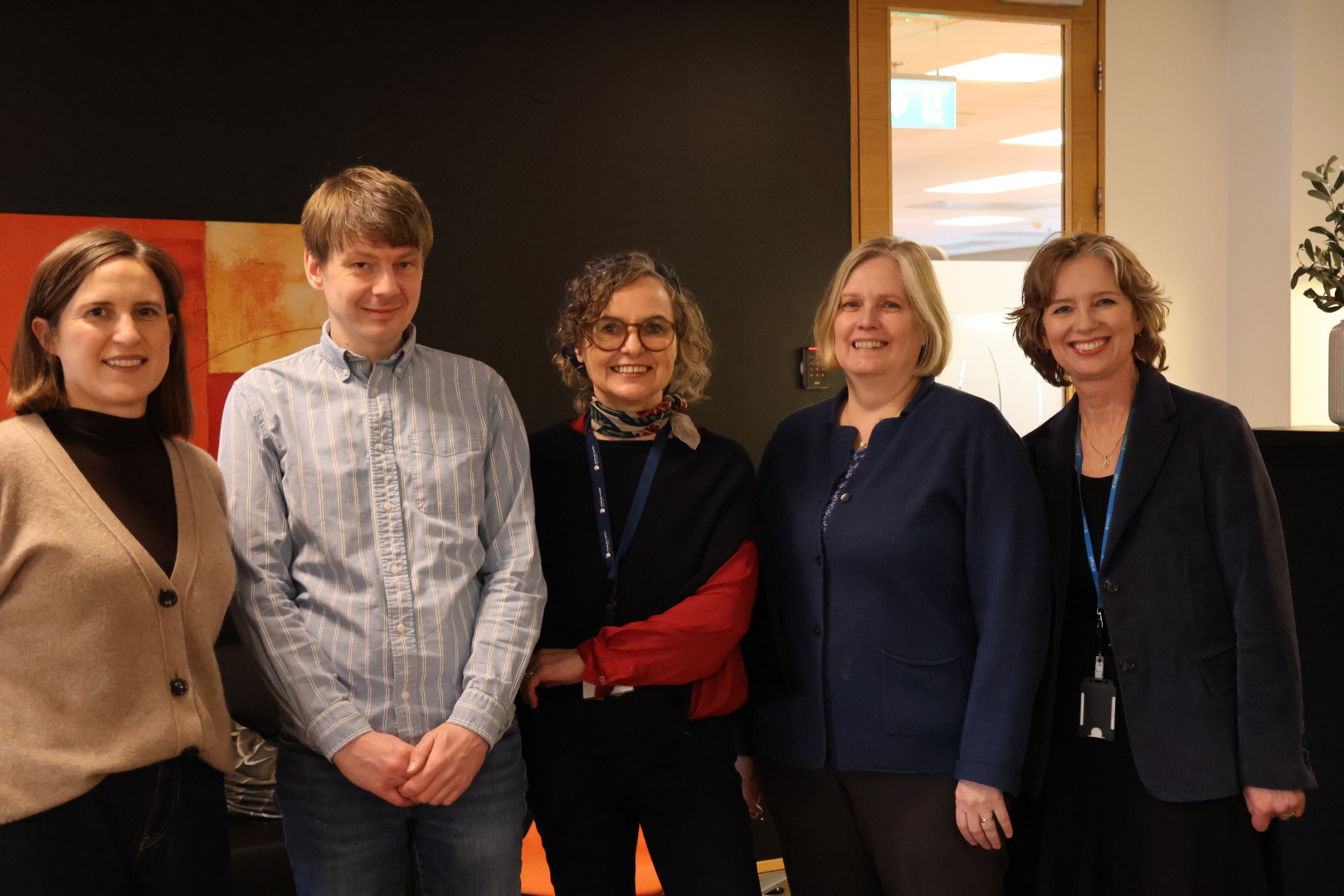
Dr Arney Einarsdóttir, Dr Katrín Ólafsdóttir and Dr Ásta Bjarnadóttir, who lead the CRANET project in Iceland, together with Arndís Vilhjálmsdóttir and Hans Haraldsson, survey research specialists at Spectis.
Did you know?
-
In 2026, around 70% of senior HR leaders are members of the executive management team, or an equivalent senior leadership team, in companies and organisations with 70 or more employees – and this proportion has increased since 2021.
-
In Iceland, it takes less time to recruit managers than specialists. The recruitment process takes an average of 33 days for managers, compared with 39 days for specialists, measured from the point at which a vacancy is opened and the recruitment process begins until the employment contract is signed.
-
In around 77% of organisations in Iceland, all or most workspaces used by office-based employees and professional staff are designed as open-plan working environments.
The latest Executive Report, an international CRANET report published in December 2021, is available here.