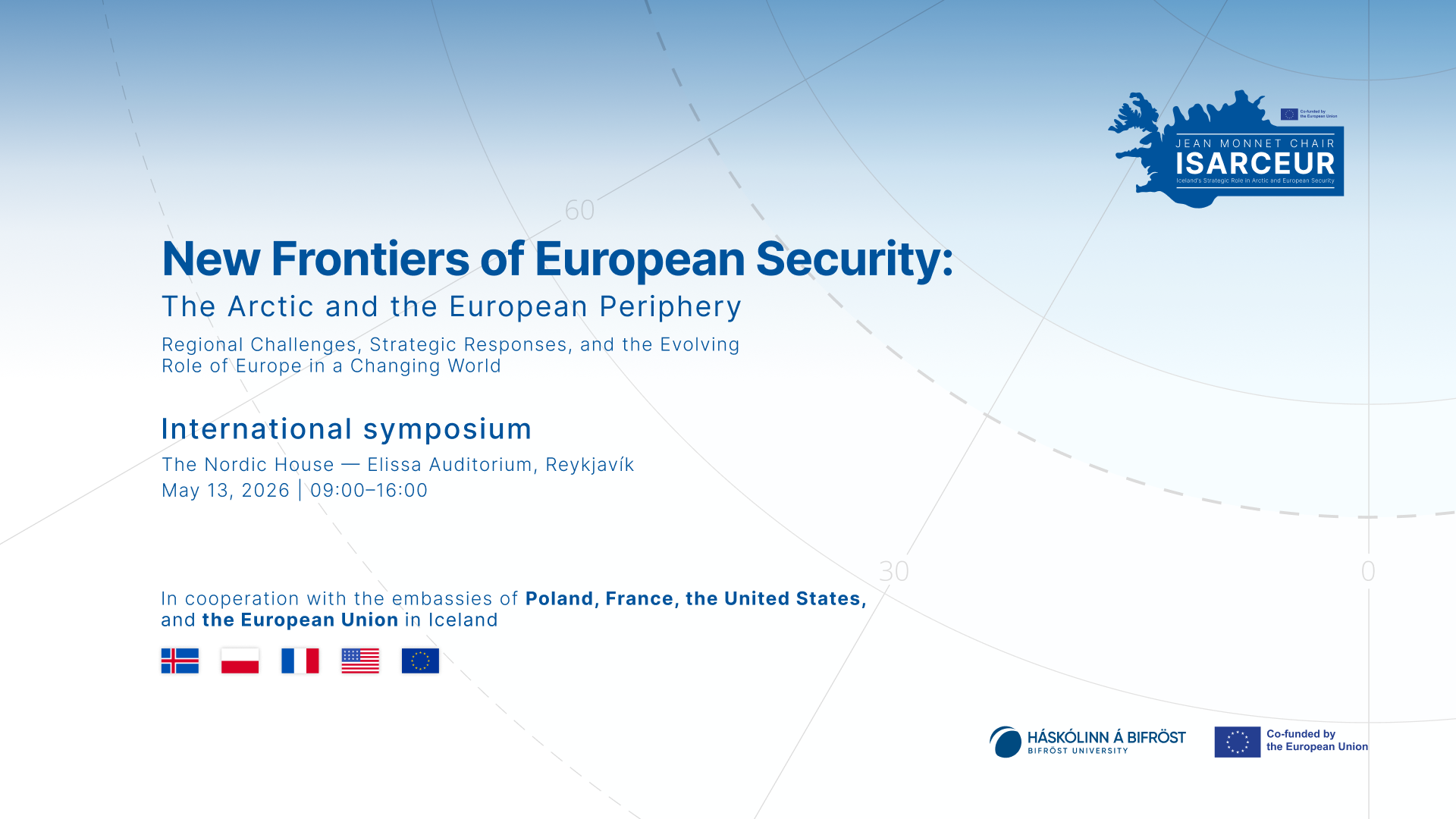
New Frontiers of European Security: The Arctic and the European Periphery

Regional Challenges, Strategic Responses, and the Evolving Role of Europe in a Changing World

On Wednesday, 13 May 2026, the Faculty of Social Sciences at Bifröst University will host an international symposium at the Nordic House in Reykjavík from 09:00 to 16:00.

The symposium is organized under the Jean Monnet Chair project Iceland’s Strategic Role in Arctic and European Security (ISARCEUR) at Bifröst University, in cooperation with the embassies of Poland, France, the United States, and the European Union in Iceland.

Please note that seating is limited.  Admission to the event is free of charge.

In recent years, European security has undergone significant transformation. Russia’s invasion of Ukraine has reshaped the continent’s security environment and increased the strategic importance of Europe’s peripheral regions, including the Arctic and the North Atlantic. At the same time, hybrid threats, digital infrastructure, energy transitions, and the growing military presence of major powers in the Arctic have created new challenges for European states and their alliances.

The symposium will bring together academics, diplomats, security experts, and policymakers from Europe and North America to discuss:

  • The evolving European security landscape
  • The role of NATO and the European Union
  • The growing strategic importance of the Arctic
  • Hybrid threats and the protection of critical infrastructure
  • The role of peripheral regions in European security policy

Participants include representatives from Cambridge University, Cornell University, the European Union, the French and Polish Ministries of Foreign Affairs, the U.S. Embassy, and Icelandic security institutions.

Among the speakers are:

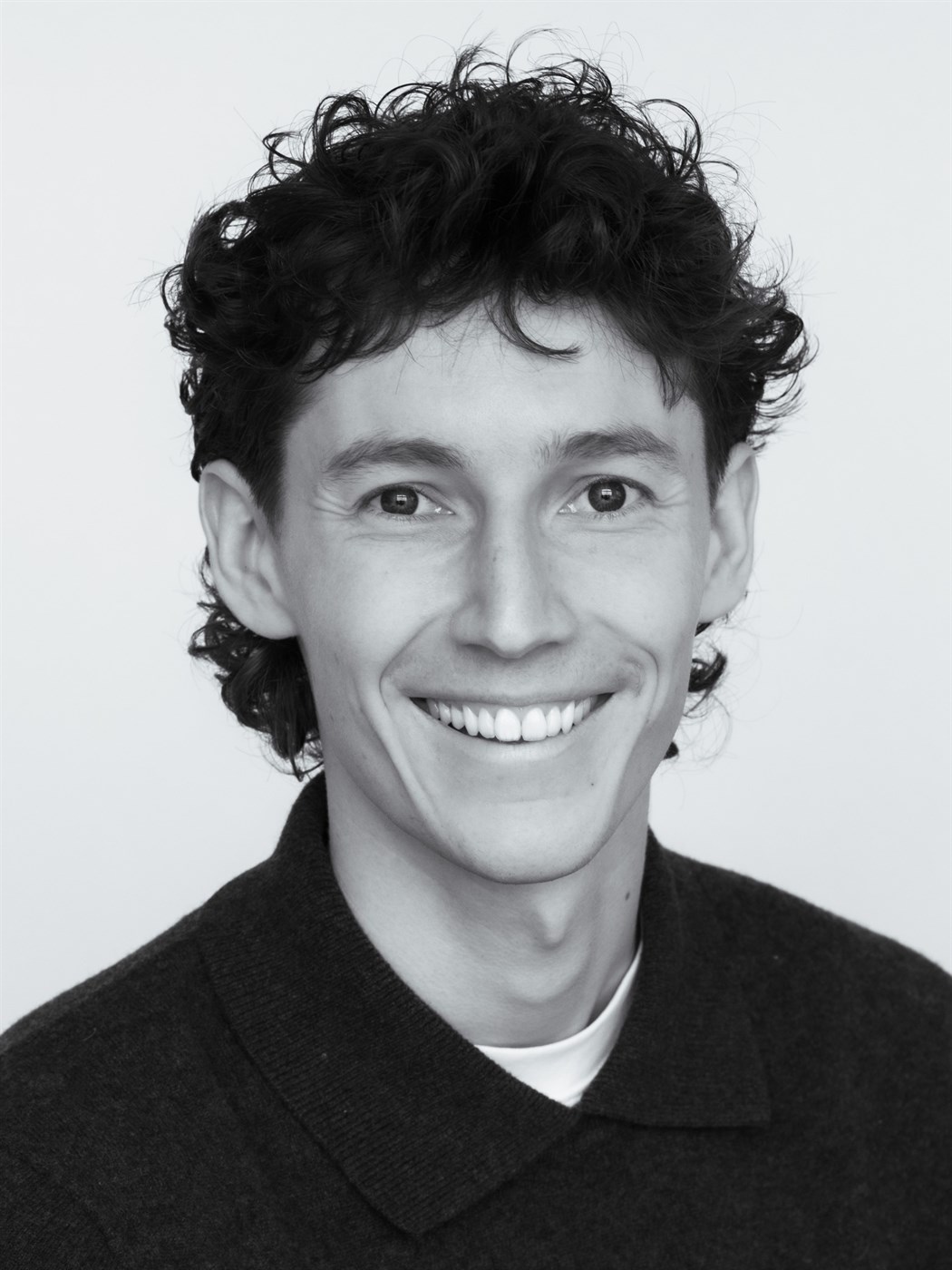
Dr Viktorija (Victoria) Vdovytsjenko, University of Cambridge – Ukraine and the Transformation of European Security

Dr. Viktoriia (Victoria) Vdovychenko is an internationally recognised expert on European security, defence innovation, and Ukraine’s relations with the EU and NATO. She is Joint Programme Leader of the Future of Ukraine Programme at the Centre for Geopolitics, University of Cambridge, where she leads research at the intersection of the post-war security architecture and Ukraine’s role in it. Her work focuses on strategic trilemmas in European security, deterrence by innovation, multi-domain warfare, and the political economy of reconstruction. She regularly advises policymakers and engages with the strategic and academic communities across the UK, Europe, and Ukraine.

Viktoriia holds an MSc and PhD in Foreign Policy and World History from the Diplomatic Academy of Ukraine and is actively involved in executive education, policy training, and high-level international dialogue.


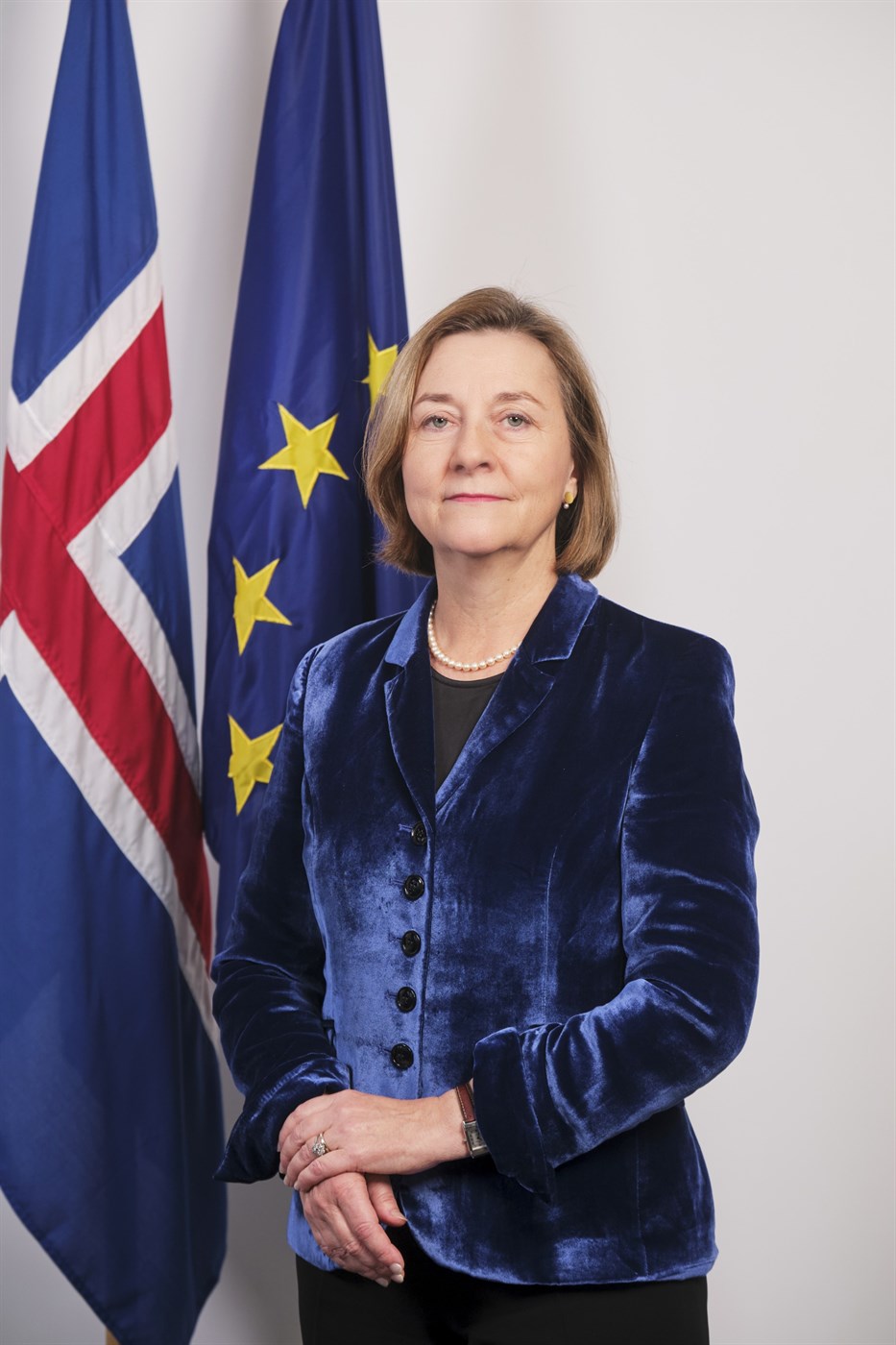
Clara Ganslandt, Ambassador of the Delegation of the European Union to Iceland

Ambassador Clara Ganslandt has spent the bulk of her career at the forefront of European Union foreign policy and external relations. Currently serving as the Ambassador of the European Union to Iceland, she previously held pivotal roles within the European External Action Service (EEAS), including serving as the Special Envoy for Arctic Matters and Head of Division for Western Europe. Her expertise spans a wide range of critical geopolitical sectors, from managing relations with non-EU partners like Switzerland and Norway to EU’s Common Defence and Security Policy.  Ambassador Ganslandt holds a Master of Laws (LL.M.) from the University of Lund and a Diplôme d’Etudes Européennes Approfondies from the College of Europe in Bruges.


Dr.Gregory Falco, dósent við Cornell University og stundakennari við Háskólann á Bifröst

Professor Gregory Falco is a visiting Professor in national security at Bifrost and a professor at Cornell University in aerospace engineering.

Prof. Gregory Falco is a Visiting Professor in national security at Bifrost and a professor at Cornell University in aerospace engineering. He is the NATO Country Director for the HEIST program that is working to reroute subsea cable communications to satellites. Dr. Falco develops novel Arctic military technology for NATO allies.


European Strategic Autonomy and Arctic Engagement : a French perspective 

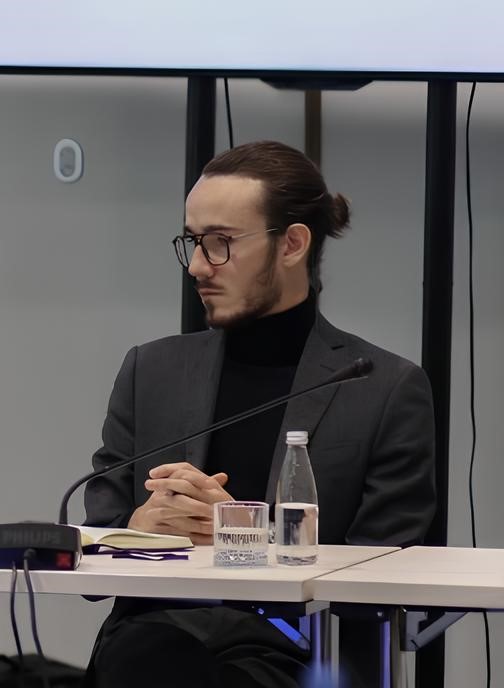
Mr. Antoine Michon, French Ministry for Europe and Foreign Affairs. Mr. Michon joined the Centre for Analysis, Planning and Strategy of the French Ministry for Europe and Foreign Affairs in September 2025 as a policy officer on European affairs. He previously served as a special assistant to the Ministry’s EU Director and the French Special Envoy for the European Political Community (2023-2024), and worked at the French General Secretariat for European Affairs (2021-2023). In the summer of 2025, he was a visiting researcher at the Brussels Institute for Geopolitics.


Moderator – First Panel

Dr. Ólína Kjerúlf Þorvarðardóttir, Professor and Rector of Bifröst University, will moderate the first panel. Ólína is a scholar, writer, and former Member of the Icelandic Parliament (Alþingi). From 2009 to 2012 she served as Chair of the Icelandic delegation to the West Nordic Council, and for a period as its President. She was Vice President of the Nordic Council from 2015 to 2016.

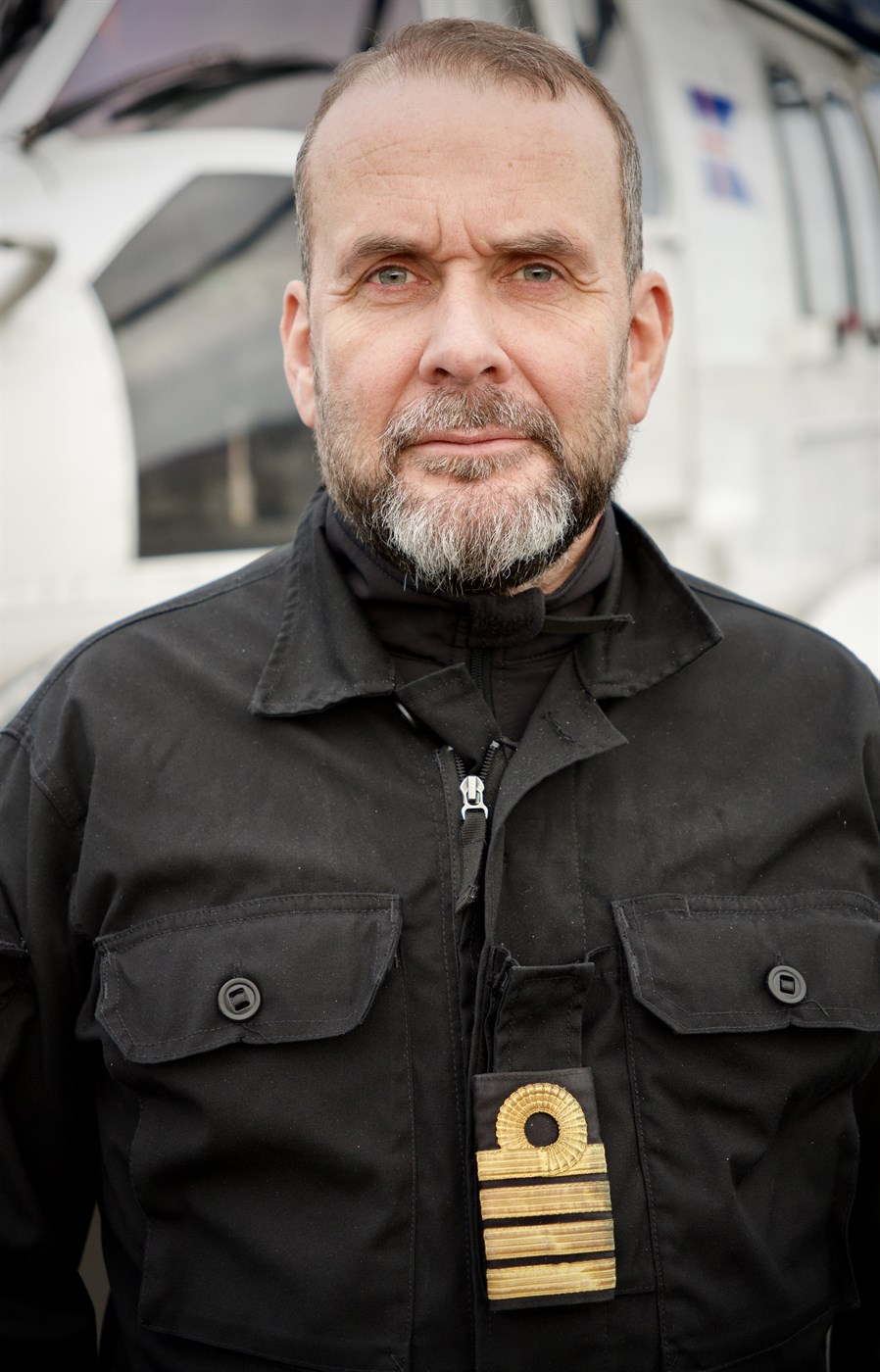
Main emphasis and tasks of the Icelandic Coast Guard in the field of security in the North Atlantic

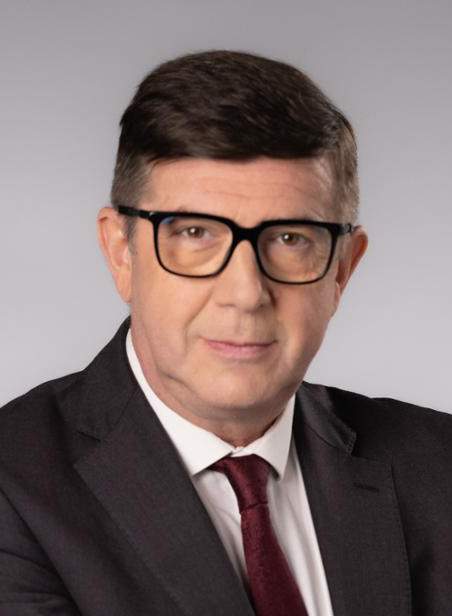
Auðunn Kristinsson is the Director of Strategy, Operations Development and Maritime Operations at the Icelandic Coast Guard. He has worked as a mate and captain on patrol vessels, and as a mate and winchman on helicopters/aircraft since 1994. He served as Deputy Director and Director from 2012 to 2026. He graduated from the Icelandic Maritime College in 1994, completed studies in project management and leadership at the University of Iceland in 2006, and an MBA from Reykjavik University in 2018.

During his career, he has served various committees and working groups related to maritime safety, security and defence matters, and other related projects in the Arctic, including the Arctic Coast Guard Forum, the Arctic Security Forces Roundtable and ARCSAR, and has undertaken projects in that field. He has managed various projects related to maritime surveillance and the renewal of the Icelandic Coast Guard's equipment, including the renewal of aircraft from 2007-2009 and the renewal of ships and boats in 2021. He was also the project manager for the participation of the Icelandic Coast Guard's aircraft and seafarers in the joint Frontex operation in the Mediterranean.


Rebecca Doffing Sendiráð Bandaríkjanna á Íslandi


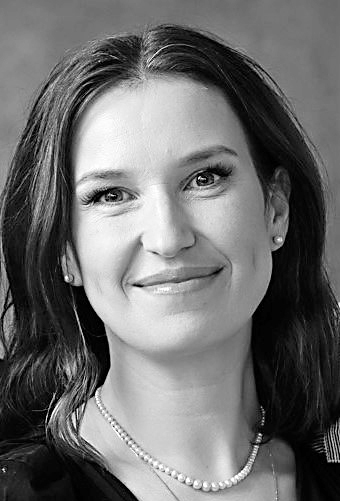
The Arctic as Europe’s Risk Laboratory: Dual-Use Infrastructure and Strategic Decision-Making Under Uncertainty

Sóley Kaldal is a Risk Management and Safety Engineer who also has a Master of Advanced Studies with focus on International Security from Yale, Jackson School of Global Affairs. Soley worked for the Icelandic government for two decades, first as an academic researcher, then as an analyst and policy advisor at the Icelandic Coast Guard and most recently as a lead negotiator of international agreements for the Ministry for Foreign Affairs. She now works in internal auditing and firm resilience for Landsbanki, the largest commercial bank in Iceland.

Moderator – Second Panel

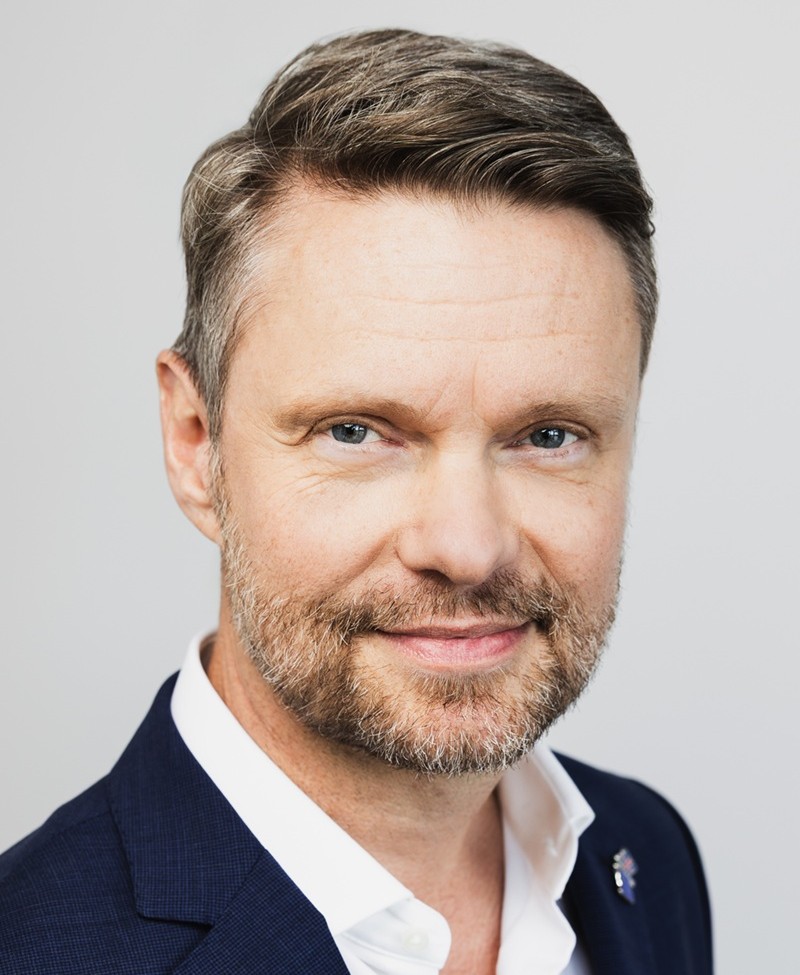
Dr. Magnús Árni Skjöld Magnússon (b. 1968, ORCID: https://orcid.org/0000-0003-1335-3254) is an Associate Professor at Bifröst University and has served as Dean of the Faculty of Social Sciences and Law as well as Rector of Bifröst University. He holds a PhD in Political Science from the University of Iceland, an MPhil in European Studies from the University of Cambridge, and an M.Mus. in Composition from the Iceland University of the Arts.

He has worked as a political adviser to NATO in Kabul and as an Erasmus+ evaluator for the European Union. He has served as a member of the Icelandic Parliament (Alþingi) and has worked in public administration, research, consultancy, and teaching both in Iceland and abroad. Magnús has authored books and articles on Icelandic politics, Europeanisation, economic affairs, and security issues.


The event will be conducted primarily in English and will be live-streamed on the Bifröst University website. We encourage all those interested in the topic to attend.

The conference programme can be found here.

Registration is available here.